
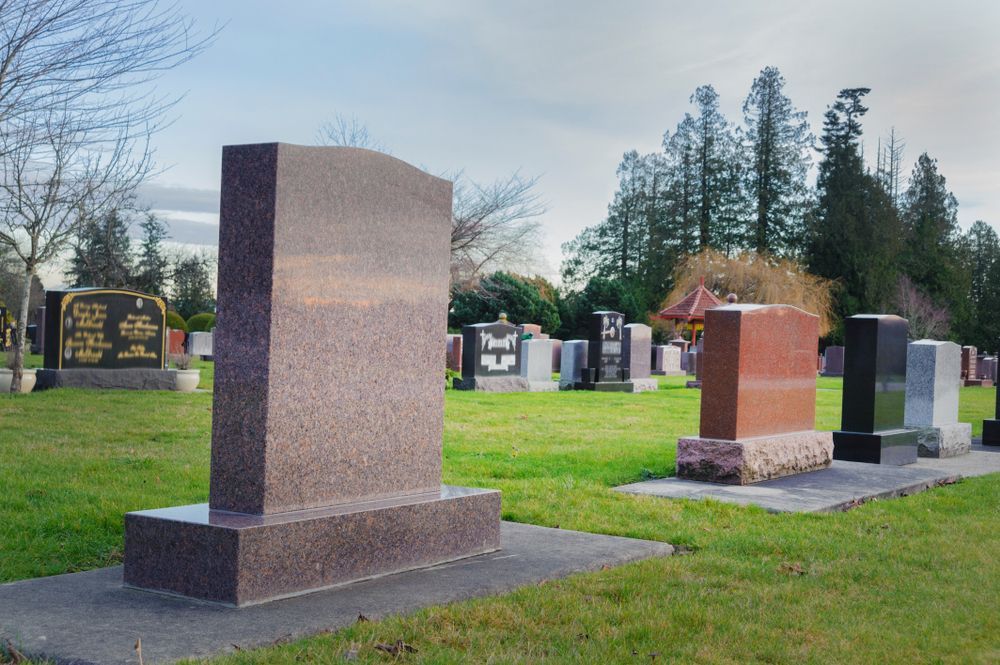
Memorials Cleared of Growth and Discoloration
Headstone Cleaning in North Little Rock for grave markers affected by biological buildup and weathering
Lichen, algae, and moss grow across granite and marble surfaces, obscuring inscriptions and leaving dark stains that spread over years of outdoor exposure. Picture Perfect Cleaning Service cleans tombstones, headstones, and gravesite memorials throughout Central Arkansas using a careful approach designed for porous stone materials that can be damaged by pressure washing or harsh chemicals. You upload a photo of the memorial so the condition, material type, and extent of biological growth can be reviewed before quoting, as each marker requires different treatment based on stone composition and the severity of discoloration.
The process uses D/2 biological cleaner, a product formulated to break down organic growth on stone without etching or damaging the surface, applied by hand with soft brushes and controlled water rinsing. Work focuses on removing the green, black, and orange discoloration caused by lichen, algae, and moss that attach to porous stone and feed on moisture and sunlight. The goal is to clean the stone and restore legibility to inscriptions without promising restoration beyond what biological cleaning alone can accomplish, as some staining may be permanent depending on how long growth has been present.
Upload a memorial photo so material, condition, and service needs can be reviewed before scheduling and quoting the work.
Why Headstones Require Specialized Treatment
Granite, marble, and limestone are porous materials that absorb moisture and provide surfaces where biological organisms take hold and grow over time. Pressure washing can etch softer stones or drive water deeper into cracks, accelerating deterioration, while acidic cleaners react with limestone and marble to dissolve surface material. D/2 biological cleaner works by breaking down the organic matter itself rather than scrubbing or blasting it away, allowing lichen and algae to release from the stone without mechanical force that could cause damage.
After cleaning, you notice that inscriptions become legible again, dark patches of lichen and moss disappear, and the stone returns to a color closer to its original appearance. Some discoloration may remain if growth has been present long enough to penetrate the stone or if etching has already occurred from prior weathering or improper cleaning attempts. Photographs taken before and after the work document the visible improvement and show what the cleaning process was able to address.
Not all stones respond identically to cleaning. Highly porous or weathered markers may show less dramatic improvement than newer, denser stone. The service does not repair cracks, recarve lettering, or reverse structural damage caused by freeze-thaw cycles or ground settling. Families coordinate cleaning around cemetery visitation schedules or before memorial observances when they want the marker to appear well-maintained.
Questions Families Typically Have
Headstone cleaning involves concerns about safety, results, and how the process affects different stone types, especially for older or fragile memorials.
What is D/2 biological cleaner and why is it used for headstones?
D/2 is a non-acidic, biodegradable cleaner formulated specifically for porous stone that breaks down organic growth like lichen and algae without etching or damaging the material, making it safer than pressure washing or harsh chemicals.
Will cleaning remove all discoloration from the headstone?
Cleaning removes biological growth and the staining it causes, but some discoloration may remain if growth has penetrated deeply into porous stone or if prior damage has already etched the surface.
How often should a headstone be cleaned?
Frequency depends on exposure to shade, moisture, and biological growth rates in the area, but most markers benefit from cleaning every few years once growth becomes visible and begins obscuring inscriptions.
Can all types of headstones be safely cleaned?
Granite and marble respond well to biological cleaning, while softer stones like sandstone or heavily weathered markers require more careful evaluation to avoid further damage, which is why photos are reviewed before quoting.
What should I photograph when requesting a quote?
Capture the full headstone along with close-ups of inscriptions and areas with the most biological growth or discoloration so material type, condition, and cleaning needs can be assessed before service is scheduled.
Picture Perfect Cleaning Service reviews memorial photos to evaluate stone type, growth severity, and the approach needed before quoting and scheduling. Contact the service and upload images of the headstone so condition and cleaning options can be discussed before arranging the work.